In the Spectacle’s Wake
We are living through an era characterized by a paradoxical glare. On the one hand, industrial civilization stages its own power through spectacular installations: mirrors launched into orbit to capture our gaze, climate simulations enclosed beneath museum domes, or the subterranean networks of hyper-connected commercial machinery. On the other, this profusion of light and flux conceals a critical blindness to the depletion of the foundations of life. The Anthropocene is defined not only by the sheer scale of its material footprint, but by this culture of the hyper-spectacle, which converts global crisis into an object of contemplation while accelerating the world’s degradation.
Under this totalizing light, the landscape loses its substance, turning spectral. The shrinking of waterways carved into stone, dried-out forests re-erected as urban monuments, and the accelerated melting of ancient ice displayed in city plazas form the backdrop of a global melancholy.
Yet it is within the fractures of this dominant architecture that the first forms of dissidence begin to take shape. The response to soil poisoned by industry is no longer conquest, but an ecology of care; restoration ceases to be an abstraction and becomes a quiet biological process orchestrated beneath the surface.
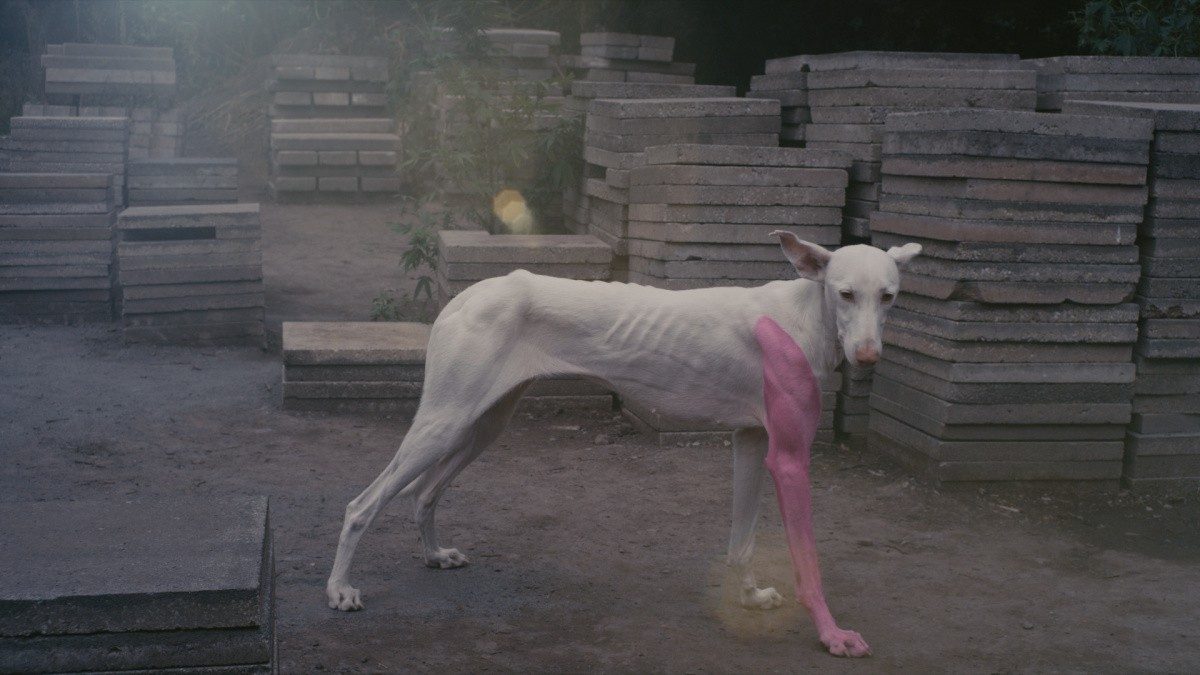
As anthropocentrism erodes, new ecosystems emerge upon the ruins of human control. Fallow space becomes the stage for unprecedented assemblages: animal, plant, bacterial, and algorithmic entities entwine without pre-established hierarchy. Whether in a beehive integrated into a sculpture, networks of microbial fermentation, or artificial intelligence responding to surrounding biological variations, these hybrid forms testify to a world recomposing itself. It is no longer about mastering nature, but consenting to its metamorphosis and accepting the unpredictability of coming symbioses.
Inhabiting this damaged world ultimately demands a transformation in our relationship to time. Sonic immersion at the heart of ancestral landscapes reintroduces deep time and geological memory into our immediate present. It is from this temporal scale that the notion of survival takes on meaning: like bioluminescent insects whose faint glow resists the darkness, contemporary creation stands to gain by renouncing grand heroic narratives in favor of becoming subtle, intermittent, and attentive. It is within the fragility of these faint signals, in the shadow of ruins, and through new cross-species alliances that the possibility of life’s persistence resides.
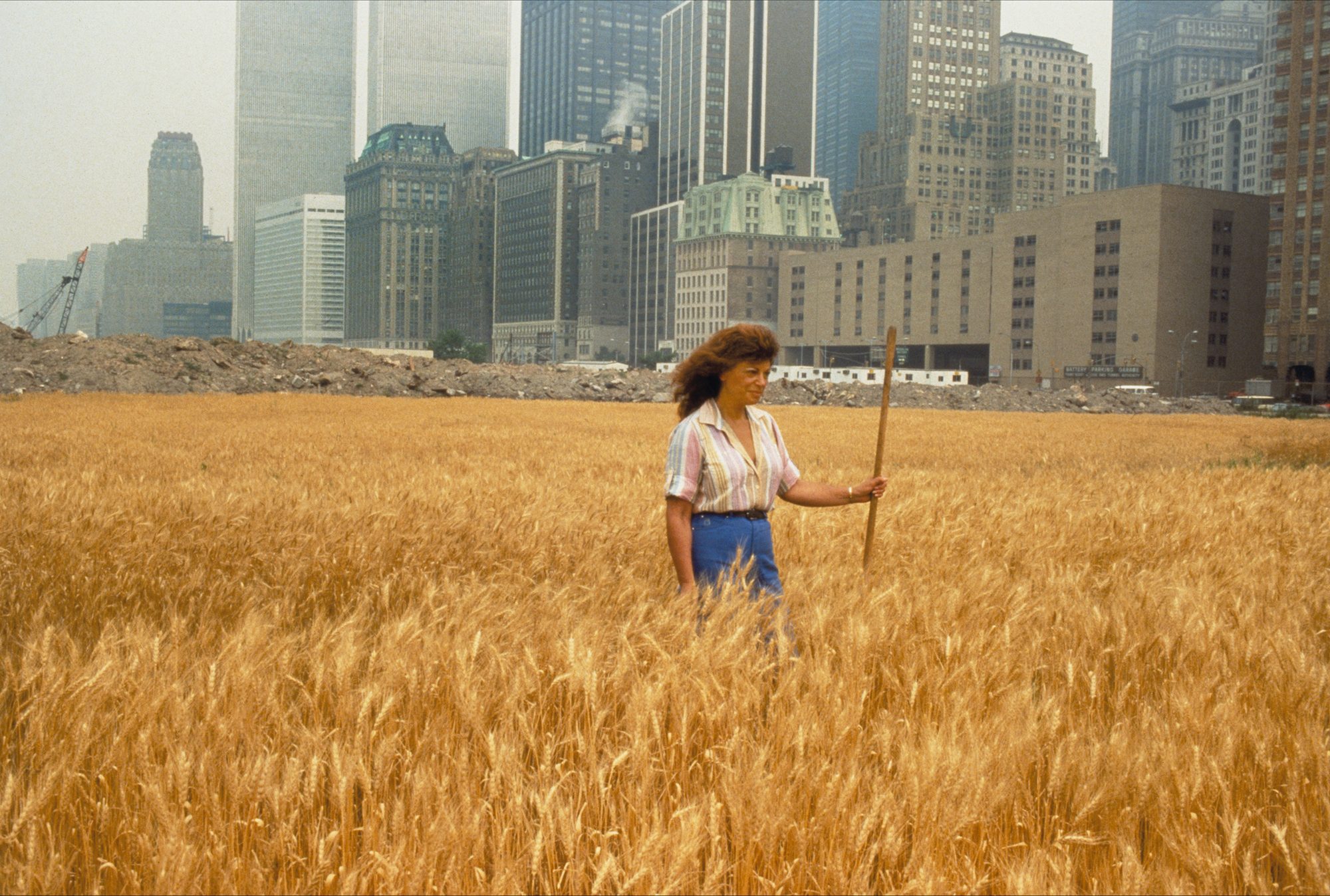
Agnes Denes - Wheatfield.jpg
1 of 11
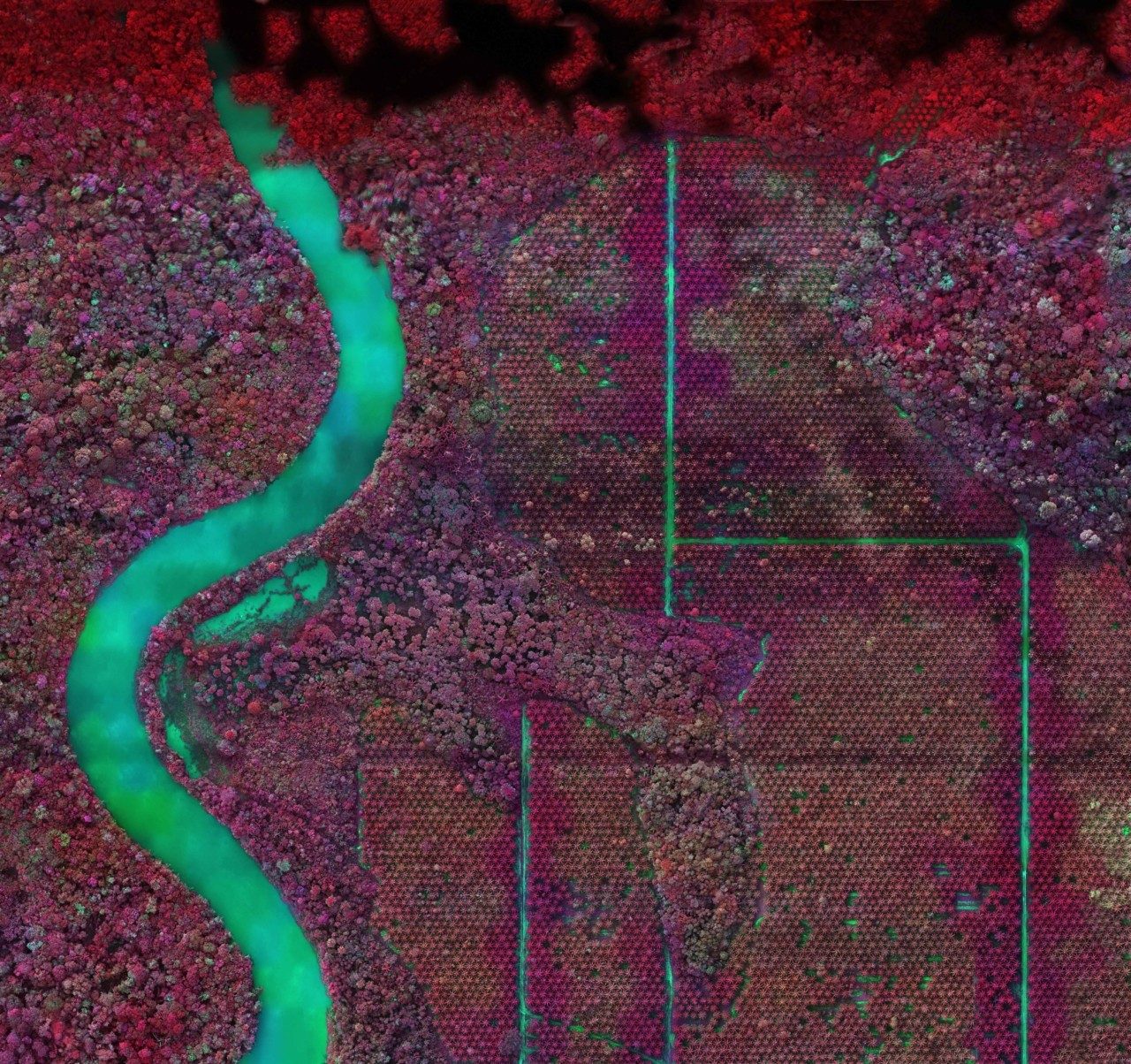
Broken Spectre - Richard Mosse.jpg
2 of 11
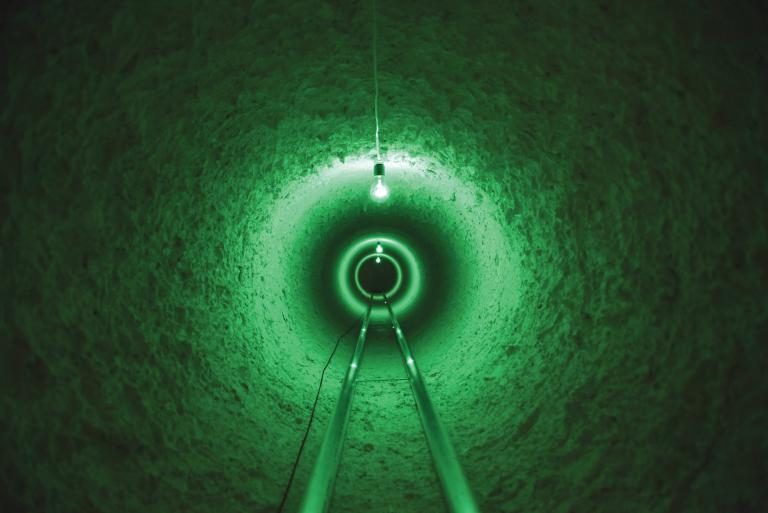
Cosmic Generator - Mika Rottenberg.jpg
3 of 11
Fire of Love (Still) - Sara Dosa.jpg
4 of 11
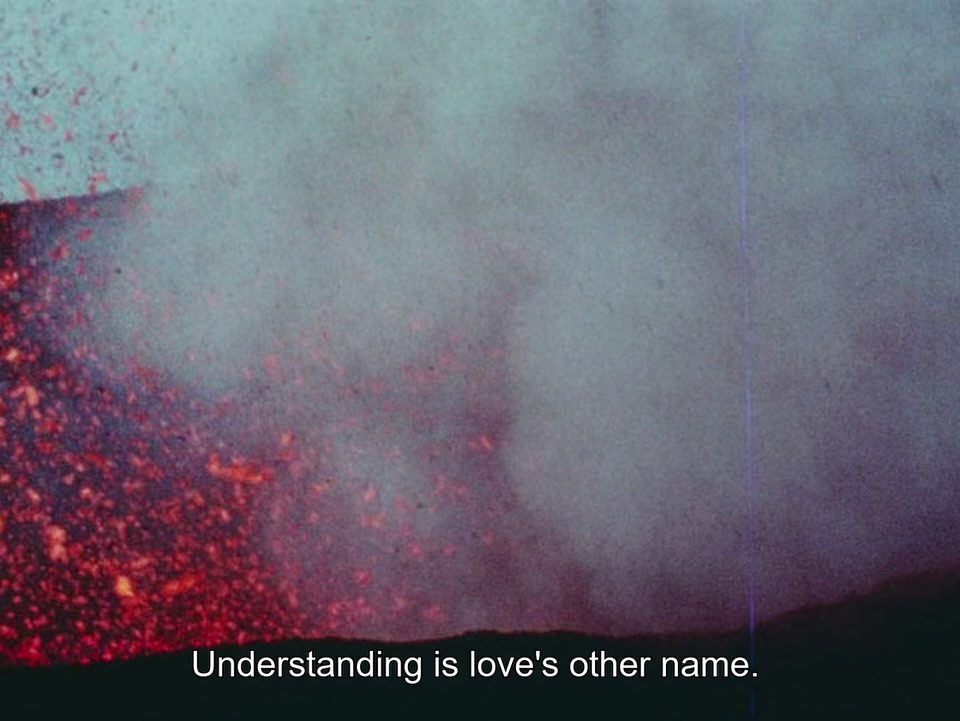
Ice Watch - Olafur Elisson.jpg
5 of 11
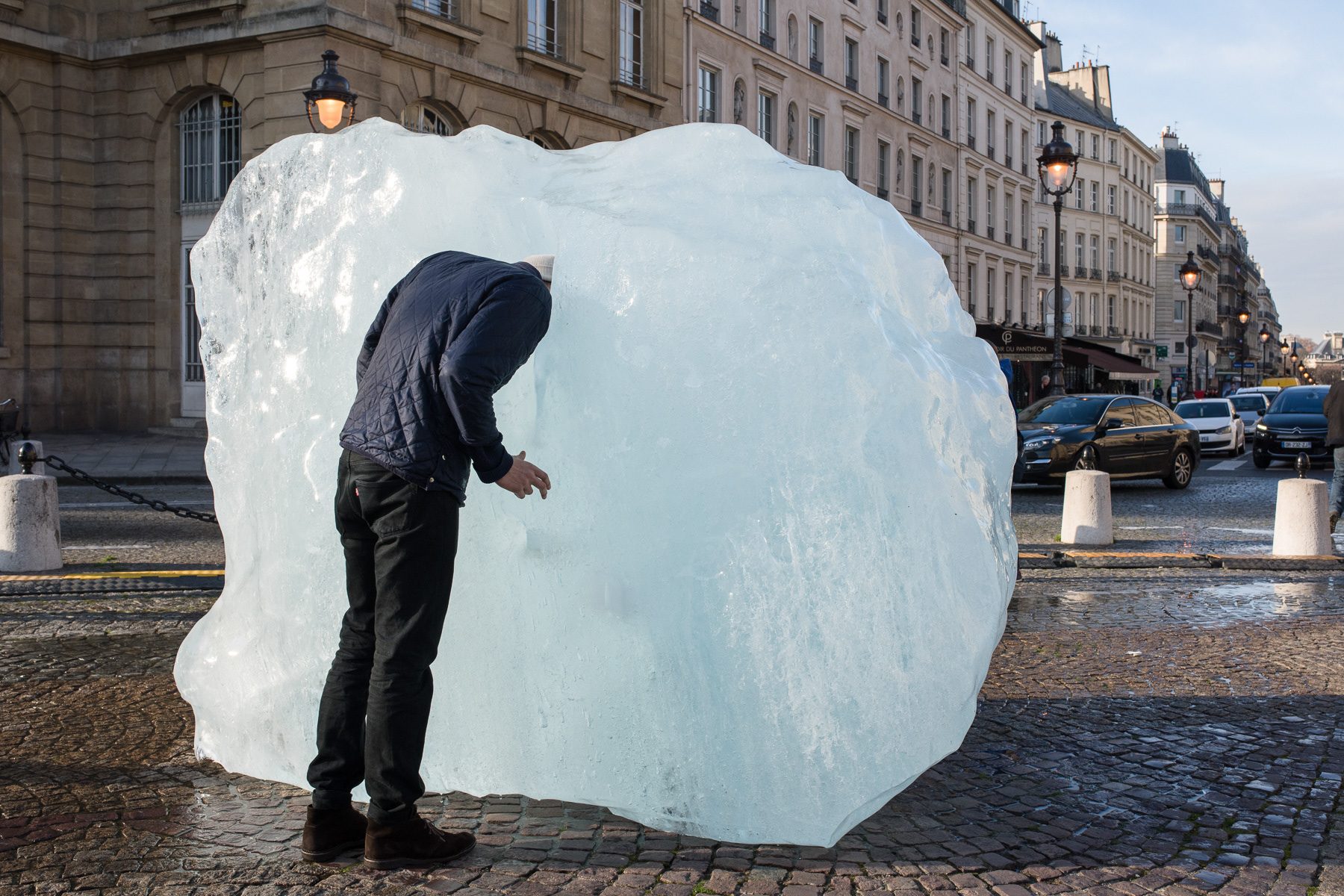
Living and Dying In The Bacteriacene - Anicka Yi.jpeg
6 of 11
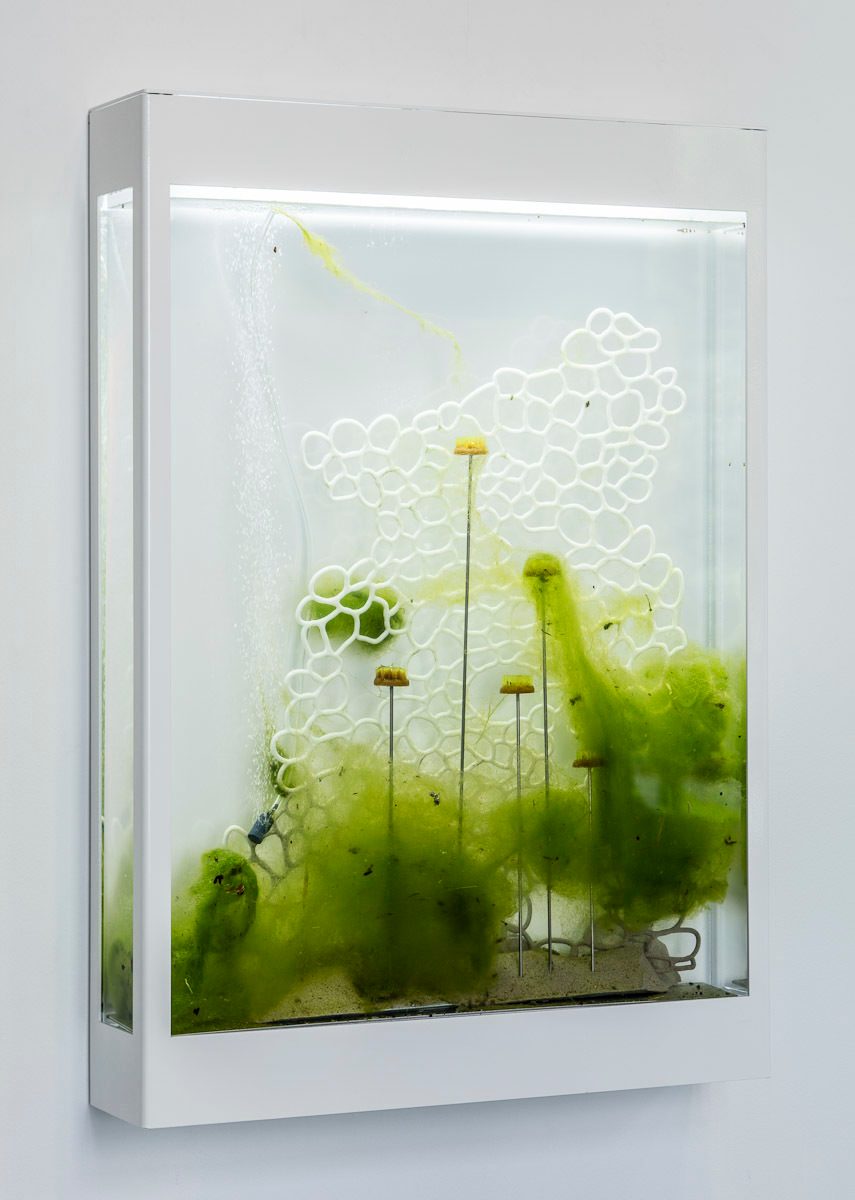
Orbital Reflector - Trevor Paglen.jpg
7 of 11
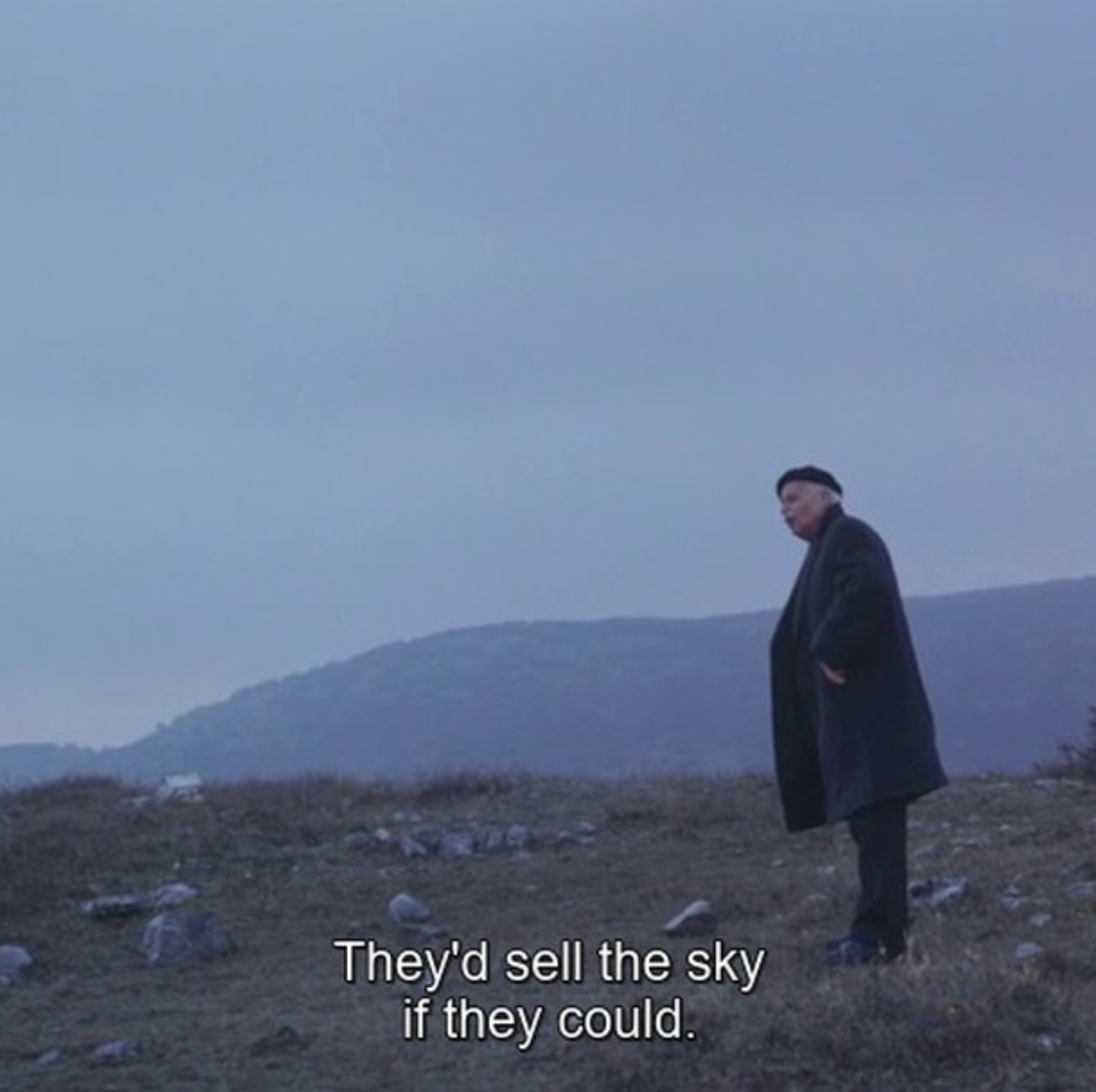
Taxidi sta Kythira (Still) - Theodoros Angelopoulos.png
8 of 11
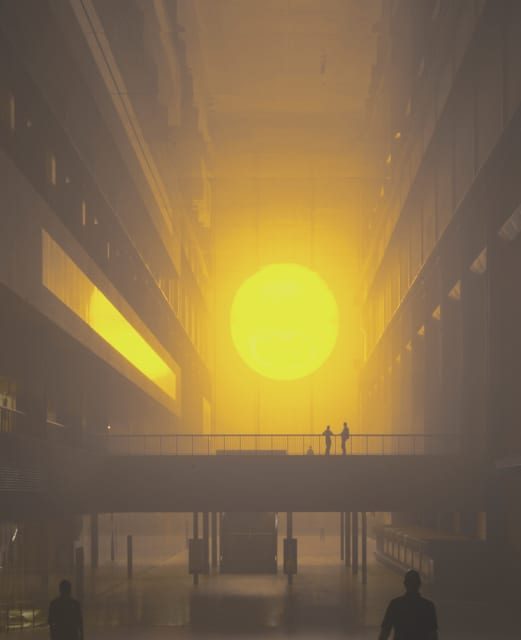
The Weather Project (001) - Olafur Eliasson.jpg
9 of 11
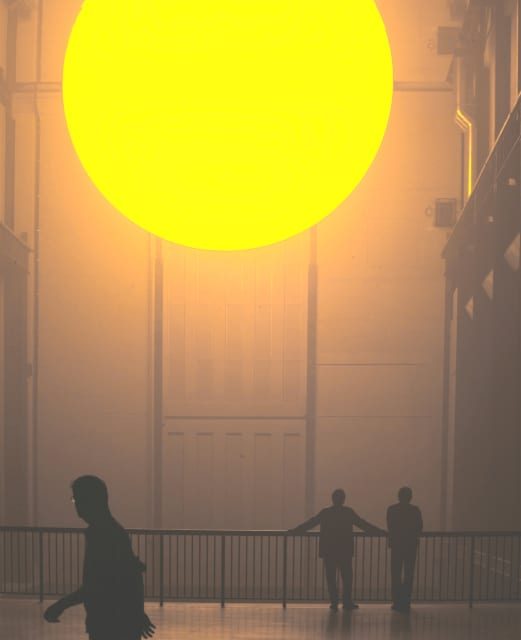
The Weather Project (002) - Olafur Eliasson.jpg
10 of 11
Untitled - Pierre Huyghe.jpg
11 of 11