Typologies of the Modern Shelter
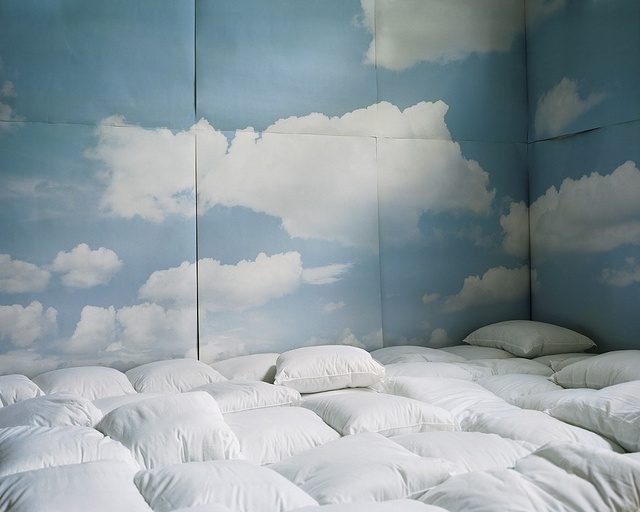
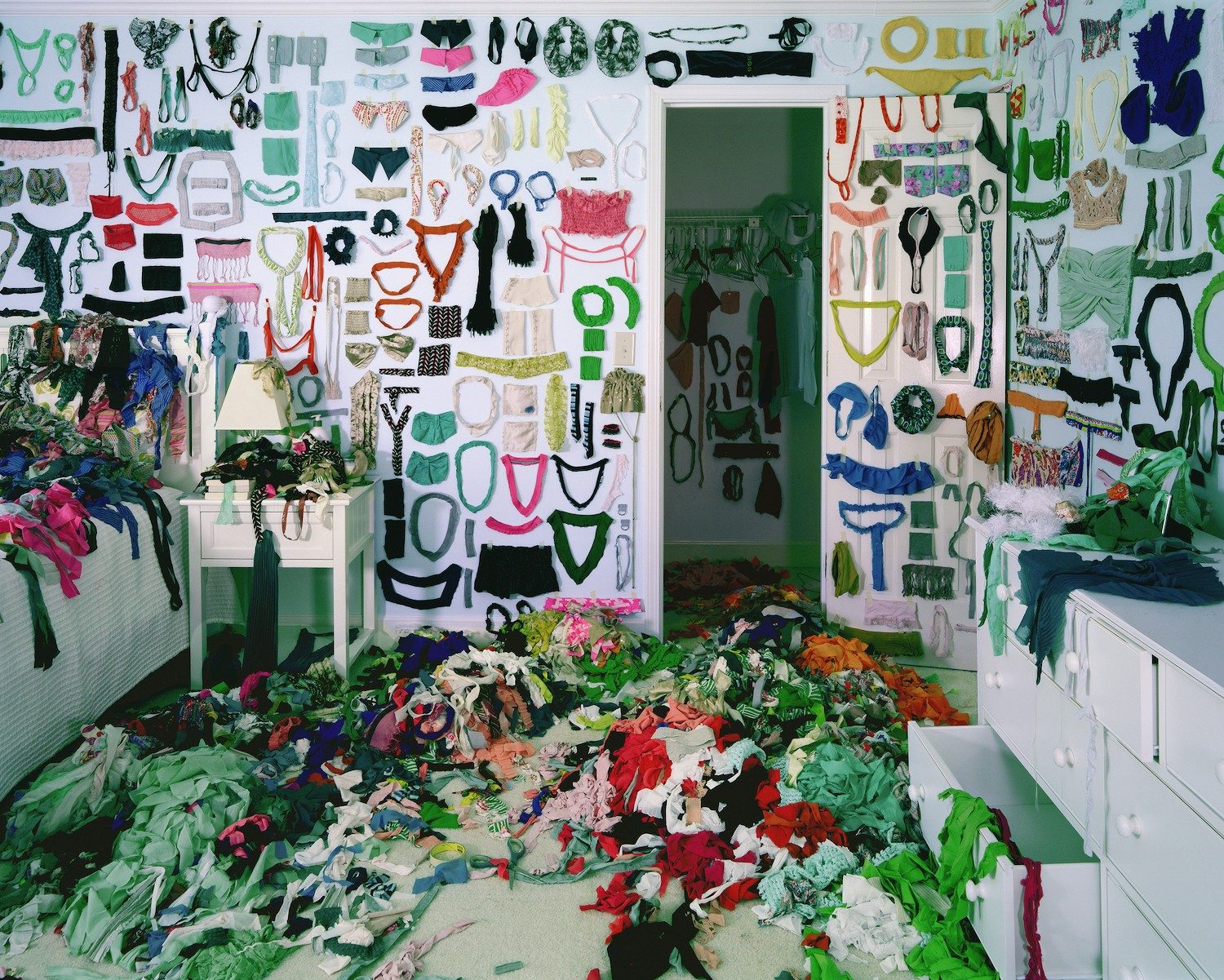
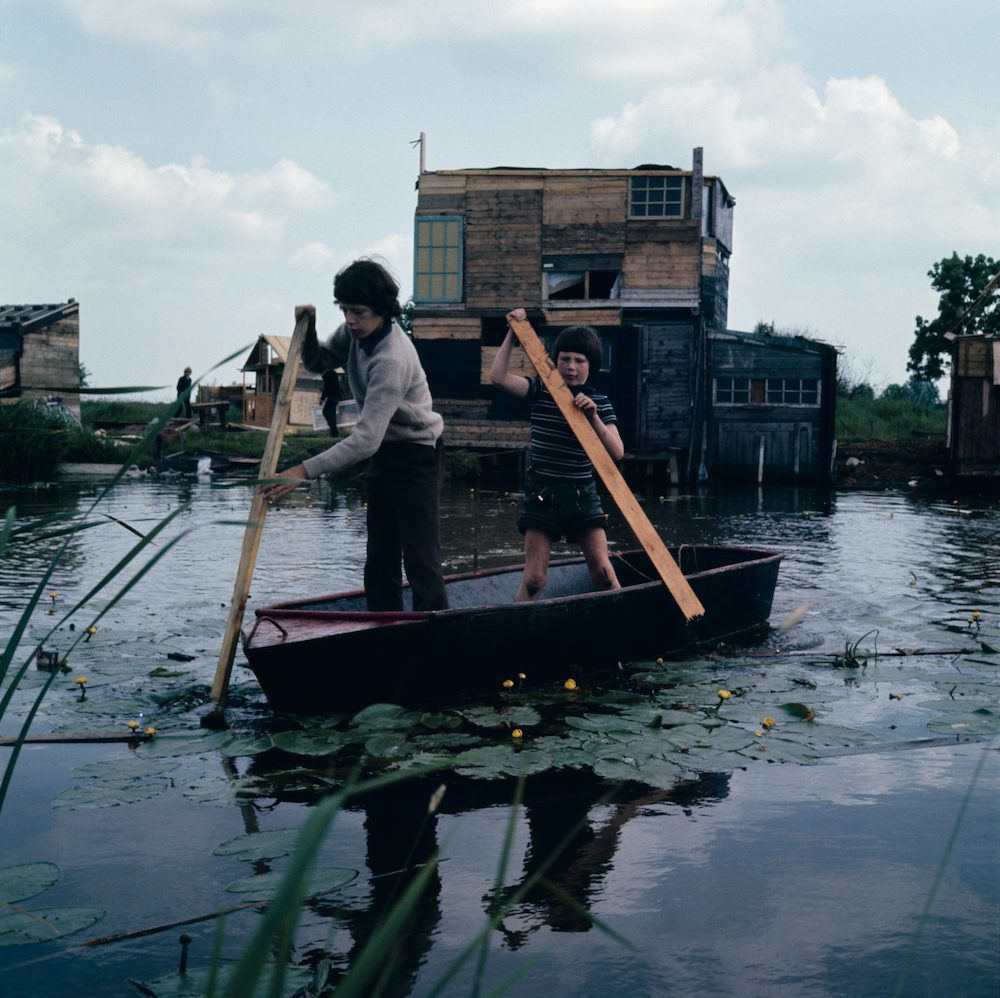
Historically, the evolution of human habitat and spatial representation has oscillated between a quest for methodical control and the expression of organic freedom. On one hand, some creators repurpose architecture and photography into tools for psychological or social analysis. Sarah Hobbs, for instance, maps out domestic neuroses by staging obsessive installations, while Chen Wei constructs meticulous studio dioramas to give form to the emptiness and political control underlying contemporary Chinese society.
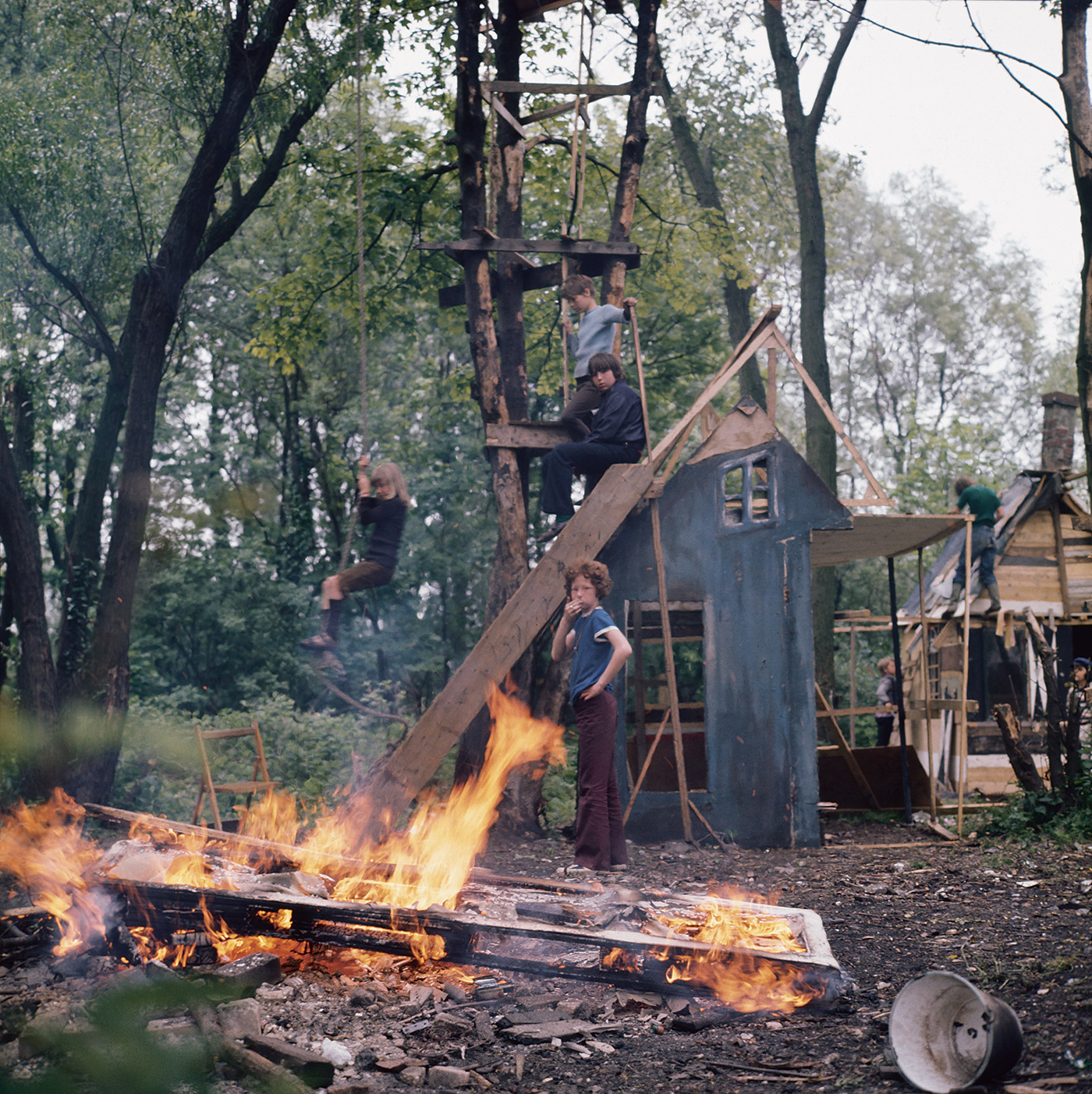
This almost clinical rigor also defines the typological approach of Ursula Schulz- Dornburg, whose black-and-white photographs document how basic shelters and temples withstand the vast emptiness of the landscape.
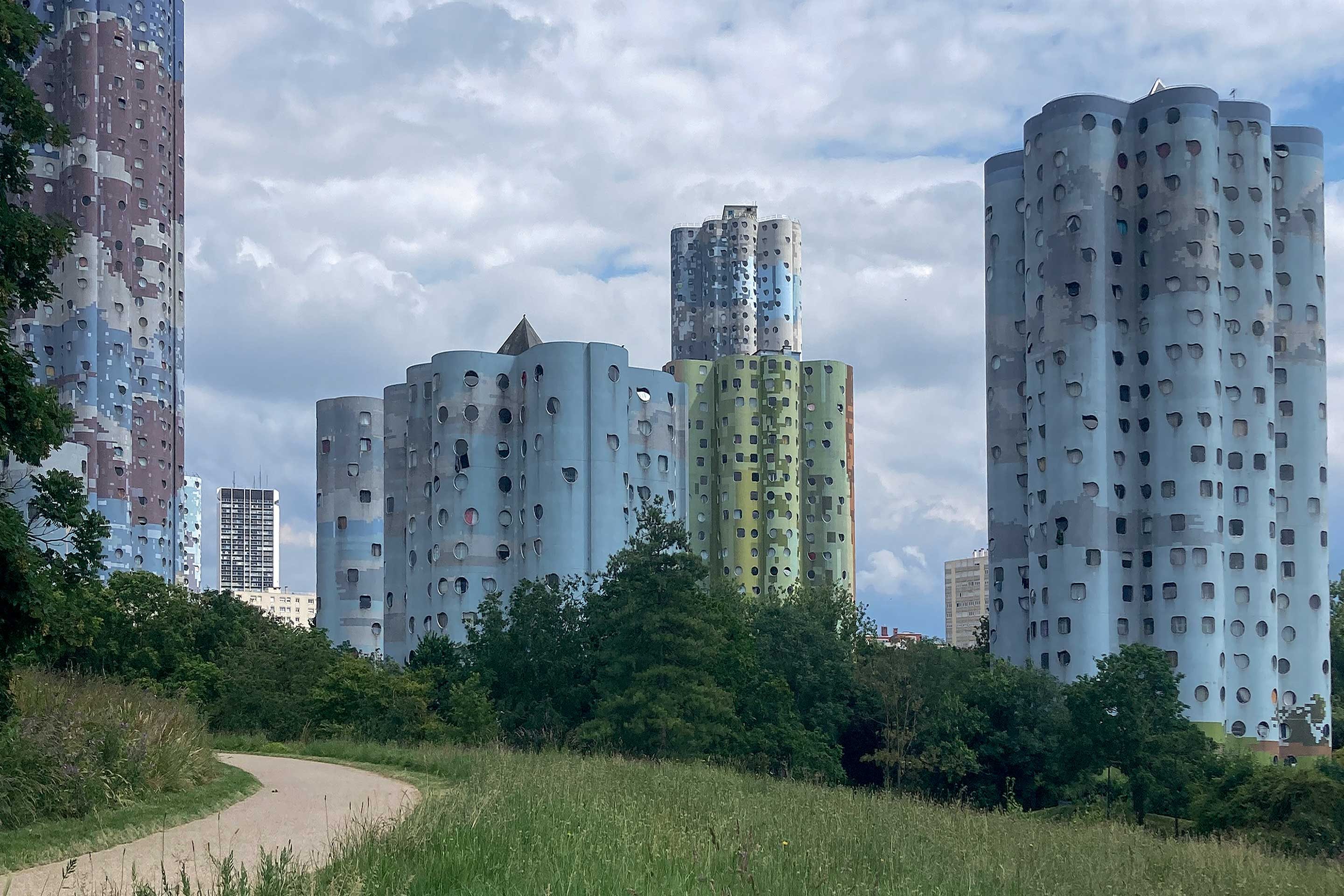
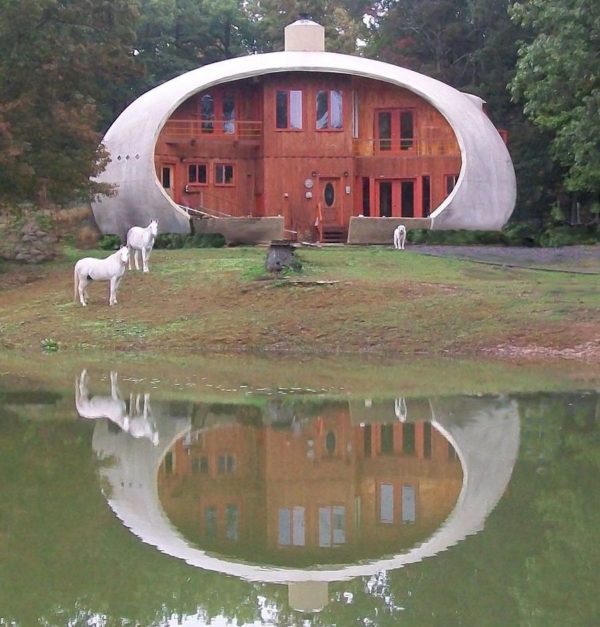
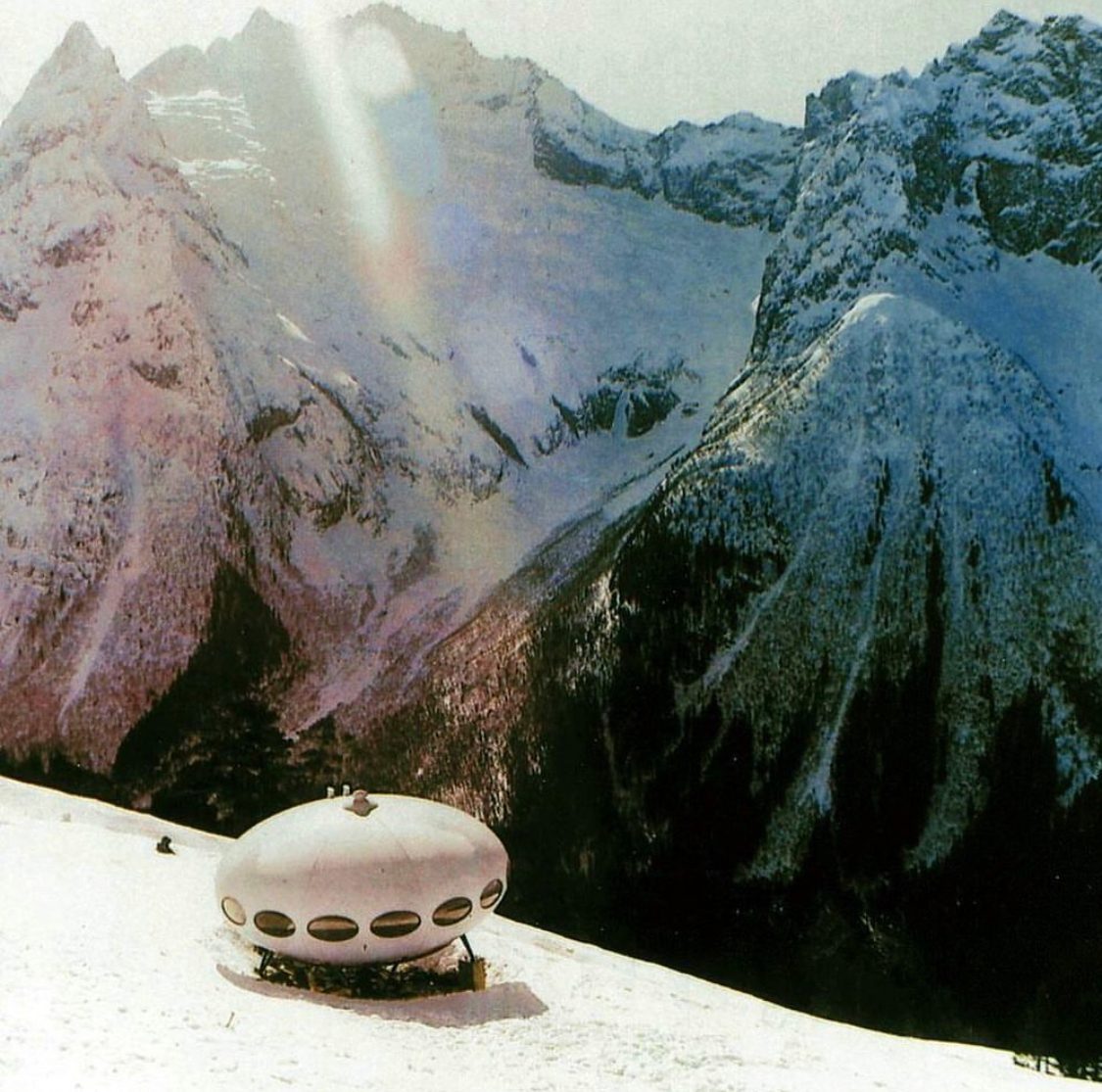
Conversely, other designers break free from the straight line to breathe poetry back into the everyday through form and matter. Émile Aillaud introduced a «poetics of dwelling» into the French suburbs with his Tours Nuages (Cloud Towers), rejecting the monotony of mass housing projects in favor of organic curves and airy mosaics. A similar desire to shatter geometric conventions drives Chuck Peters, who utilizes a monolithic dome structure to fuse sacred geometry with thermal self-sufficiency. In this same utopian vein, Matti Suuronen conceived the Futuro House—a prefabricated, plastic flying saucer that epitomizes the Space Age ideals of nomadism and technological optimism.
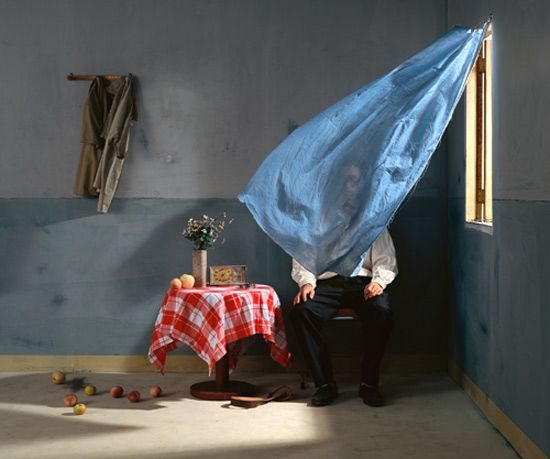
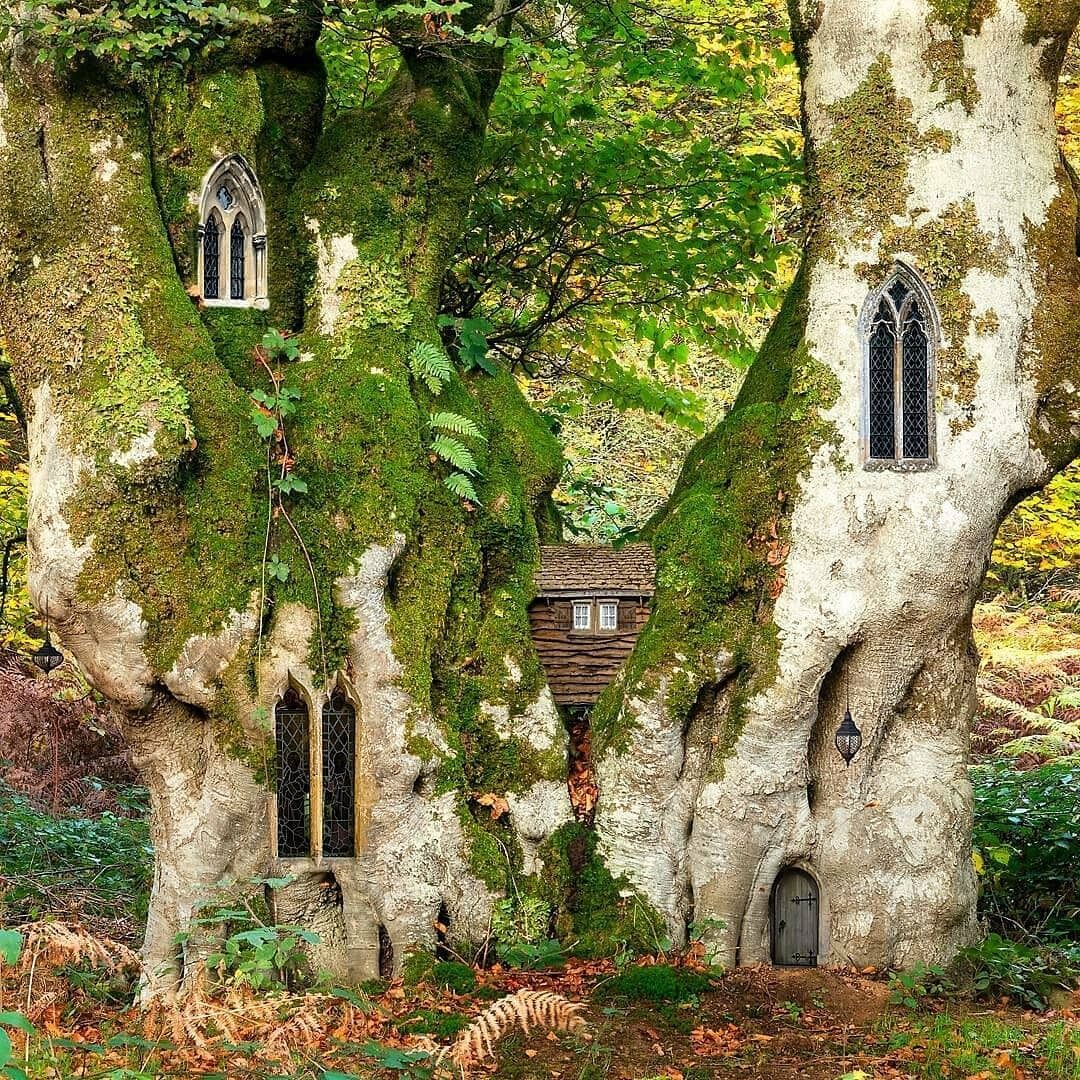
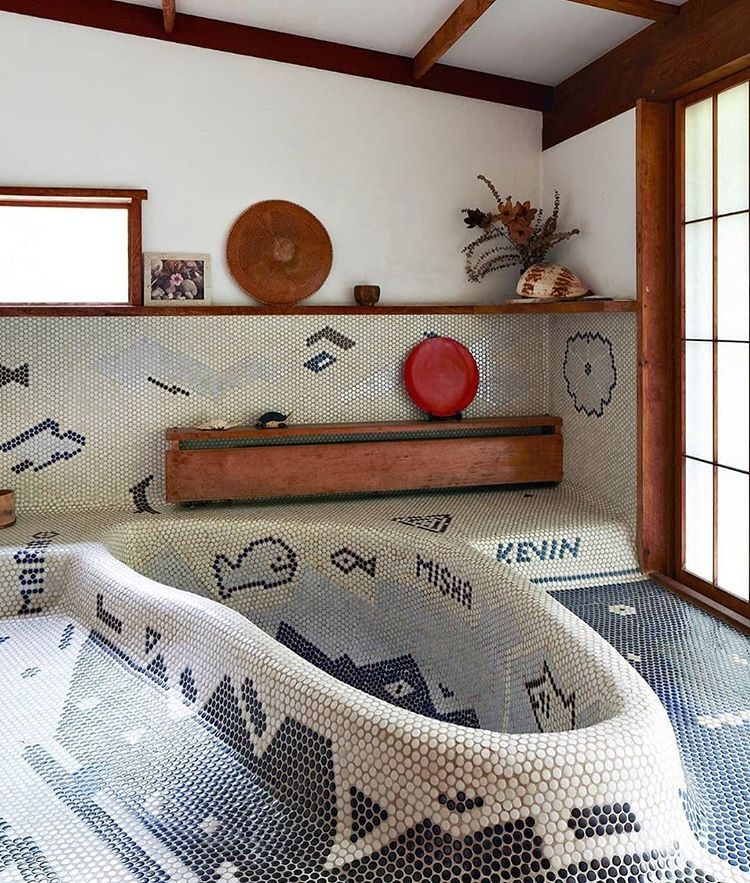
Ultimately, artistic practice can evolve into a direct communion with natural forces and the environment. Through the Sanso House, George Nakashima applies a spiritual philosophy of matter, blending modernism with traditional Japanese craftsmanship to ensure that every piece of wood retains the soul of the tree. Photographer Lars Van De Goor extends this quest for sylvan mysticism, sculpting light to transform forests into visual sanctuaries.
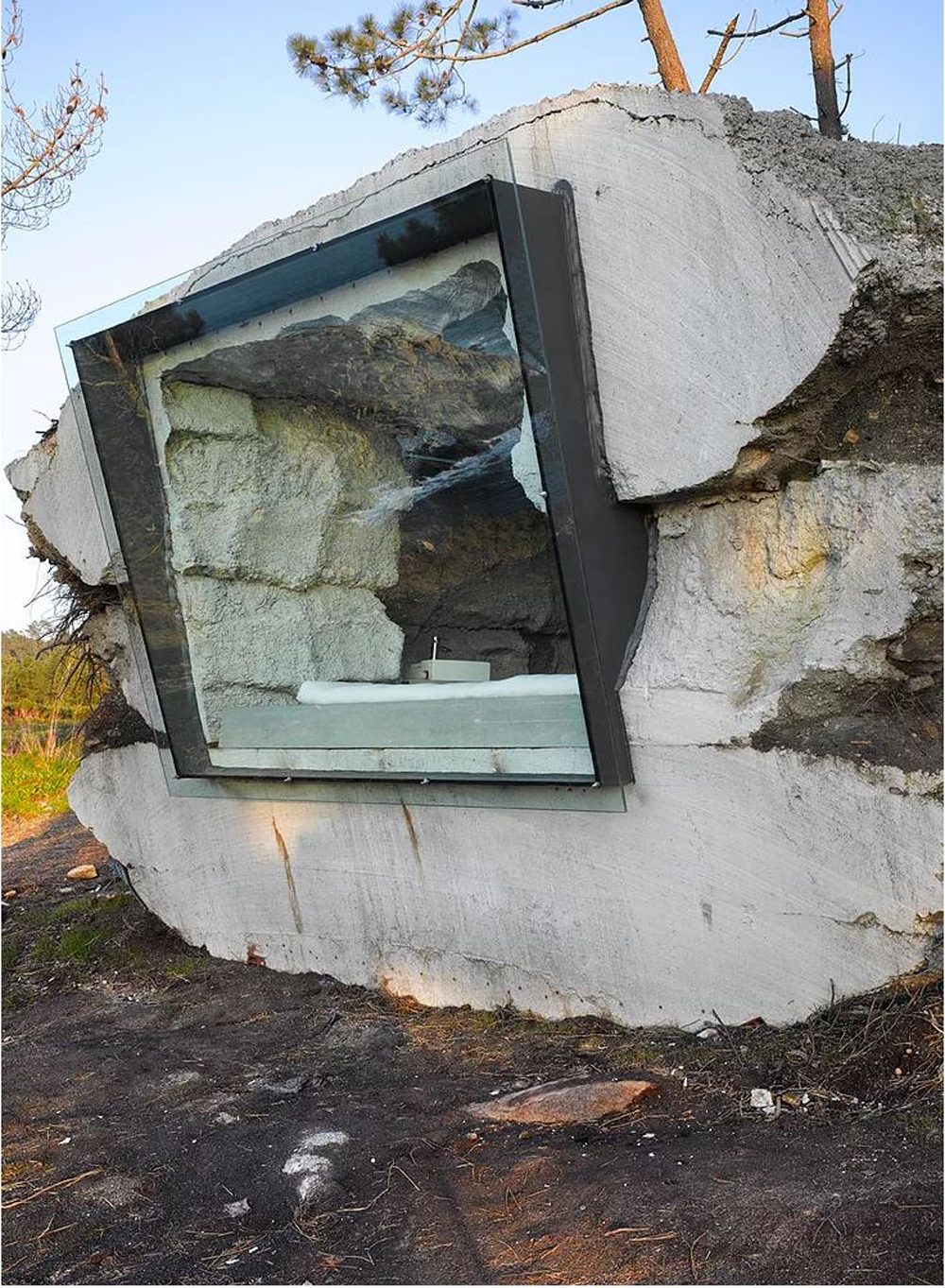
Pushing this elemental fusion to its absolute limit, Ensamble Studio created The Truffle, an architectural work where the concrete molds itself to the contours of the earth, and where a cow eating away the hay formwork ultimately dictates the shape of the interior space. From psychological containment to geological symbiosis, these approaches continuously redefine the boundaries of inhabited space.
Cloudome - Chuck Peters.jpeg
1 of 11
Emotional Management (Excerpt) - Ph. Sarah Hobbs.jpeg
2 of 11
Emotive, Methodical (Excerpt) - Ph. Sarah Hobbs.jpg
3 of 11
Futuro House - Arc. Matti Suuronen.jpeg
4 of 11
Huts, Temples, Castles (001) - Ursula Schulz.jpg
5 of 11
Huts, Temples, Castles (002) - Ursula Schulz.jpeg
6 of 11
Idol Behind the Curtains (Edition 66) - Ph. Chen Wei.jpeg
7 of 11
The Enchanted Abode - Lars Van De Goor.jpeg
8 of 11
The Reception House (Sanso House) - George Nakashima.jpeg
9 of 11
The Truffle - Ensamble Studio.jpeg
10 of 11
Tours Nuages - Arc. Émile Aillaud.jpeg
11 of 11