Worn by Absence
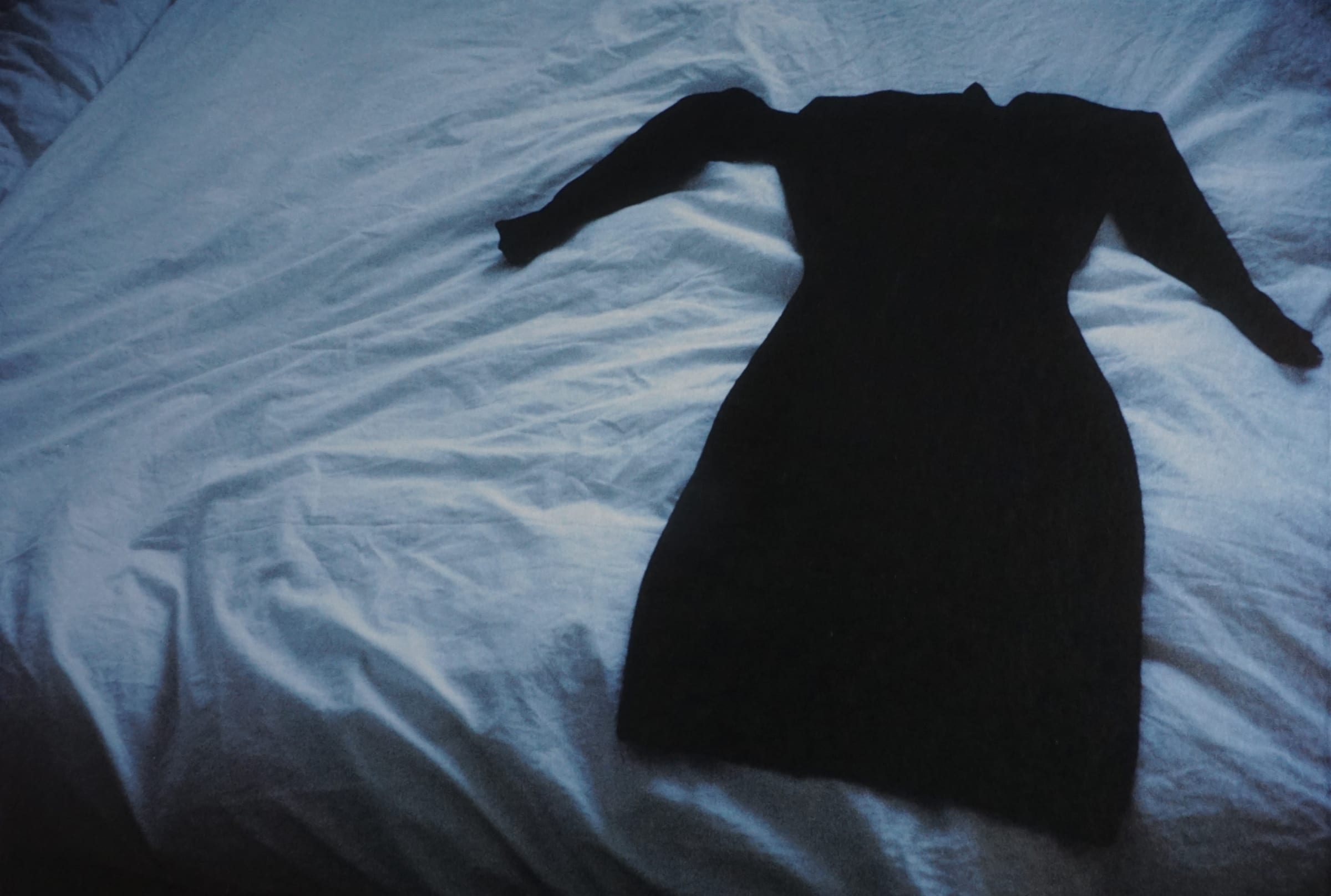
Clothing is not merely what dresses the body; it is also what outlives it. Once emptied of its wearer, it ceases to function as a tool and becomes a trace. It retains its shape, its folds, the marks of wear, and the gestures it has absorbed over time. It acts as a negative of presence: it no longer represents the individual, but makes their passage perceptible.
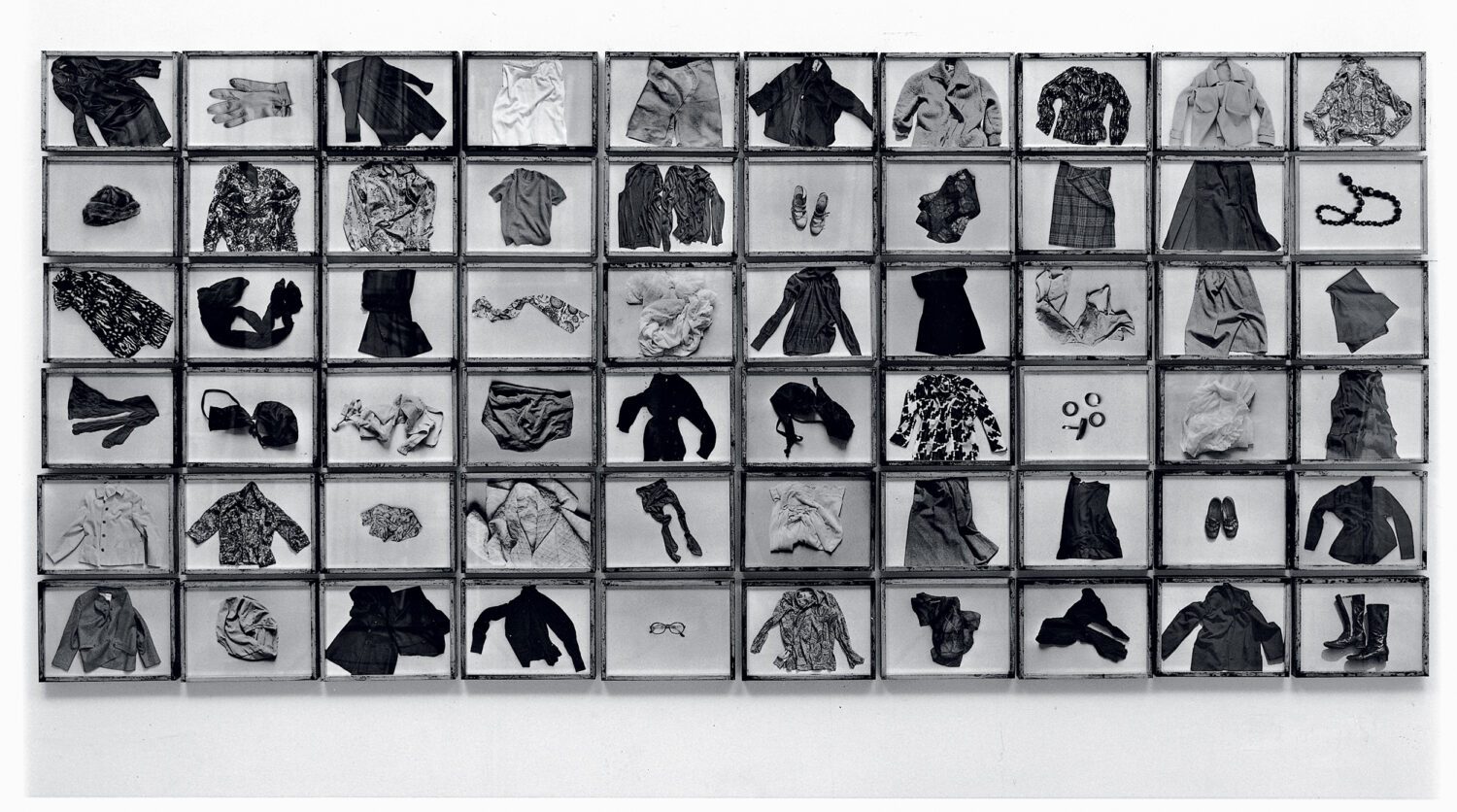
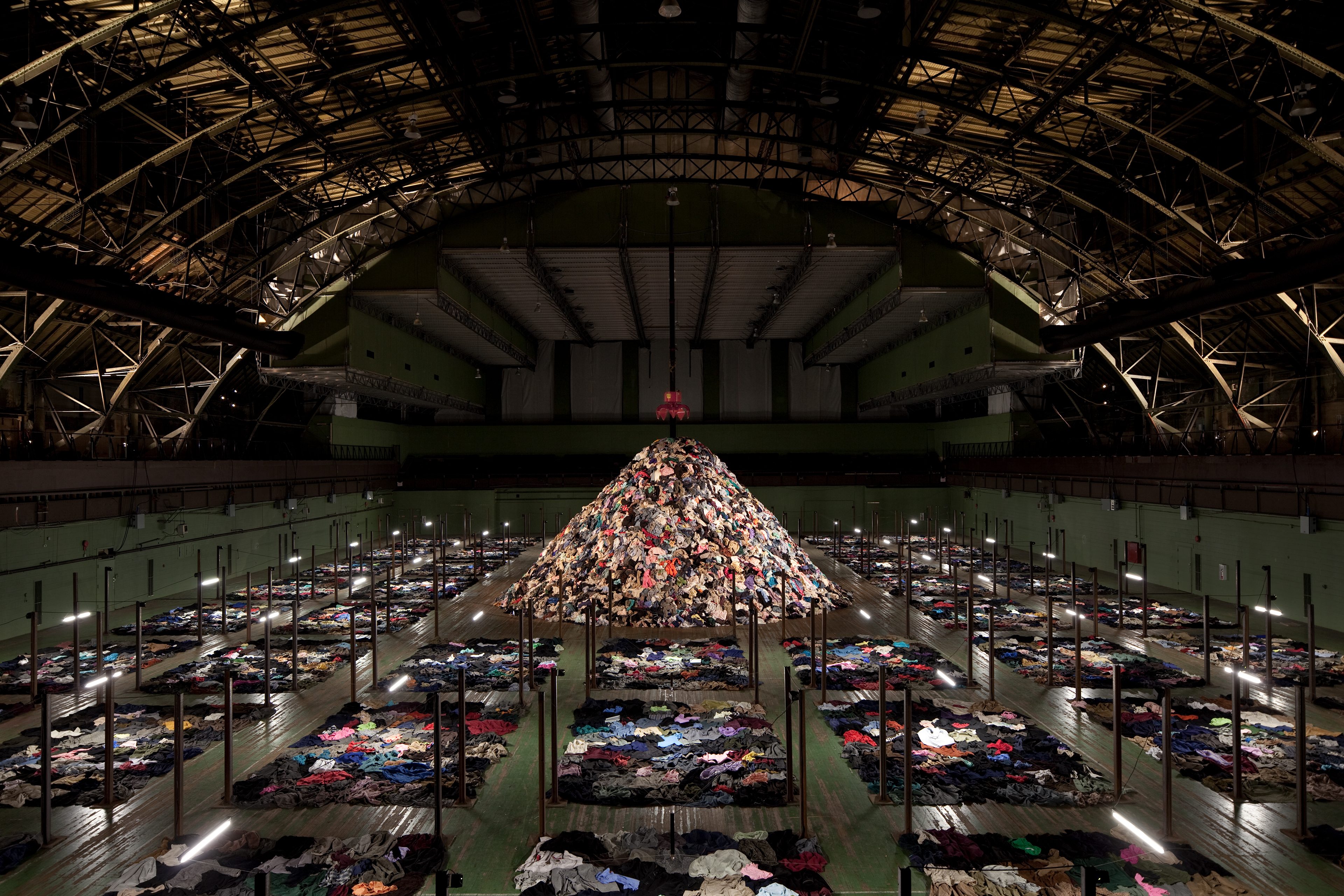
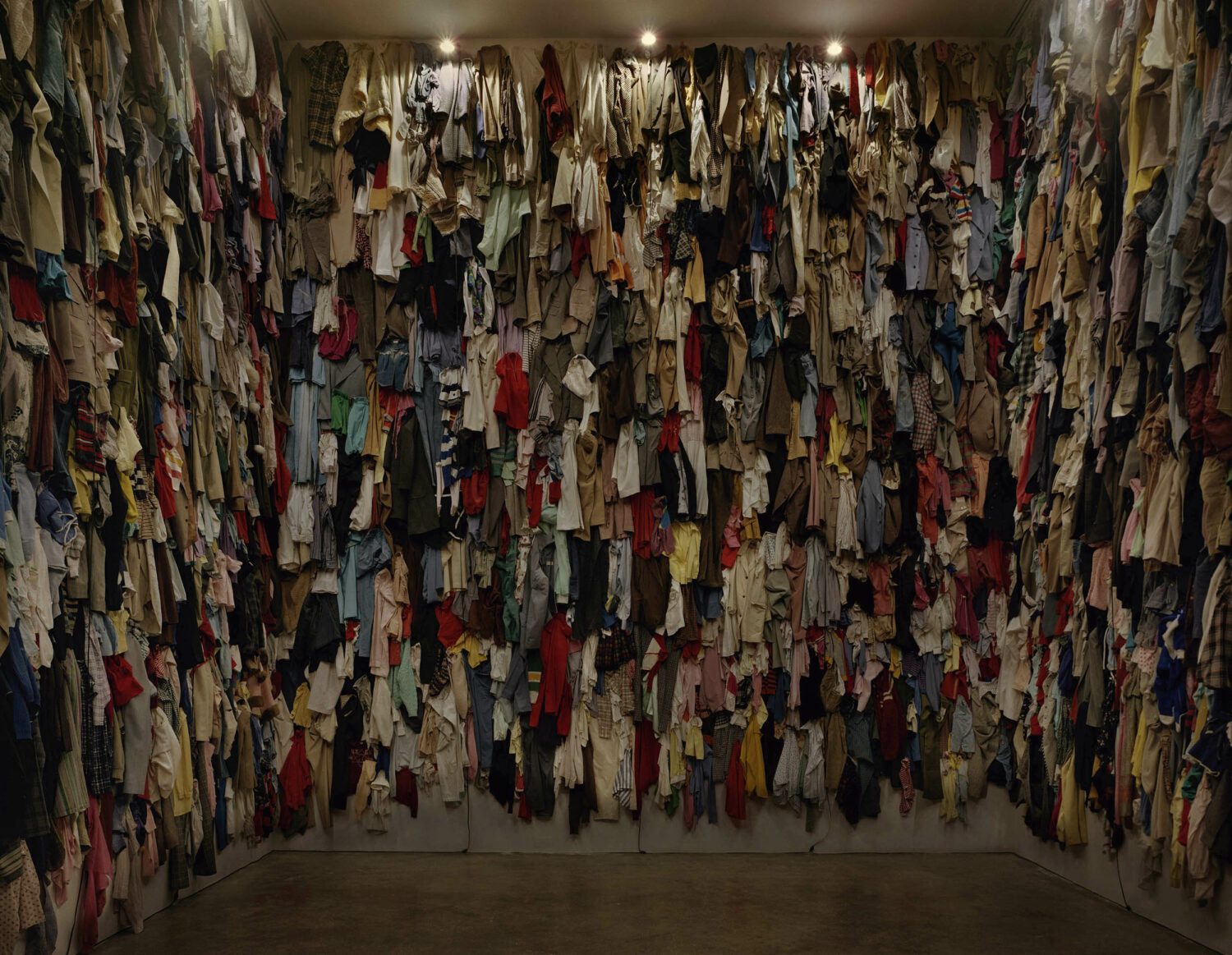
This ability of clothing to bear witness to a human existence lies at the heart of Christian Boltanski’s work. In Inventory of Objects Belonging to a Woman from Bois-Colombes, Reserve, and No Man’s Land, identity is never represented directly. Instead, it is reconstructed through what remains. The accumulation of anonymous garments produces a striking paradox: the more clothes there are, the more the individuals behind them disappear. Clothing ceases to function as a marker of distinction and instead becomes an interchangeable unit, exposing the constant tension between individual memory and collective memory.
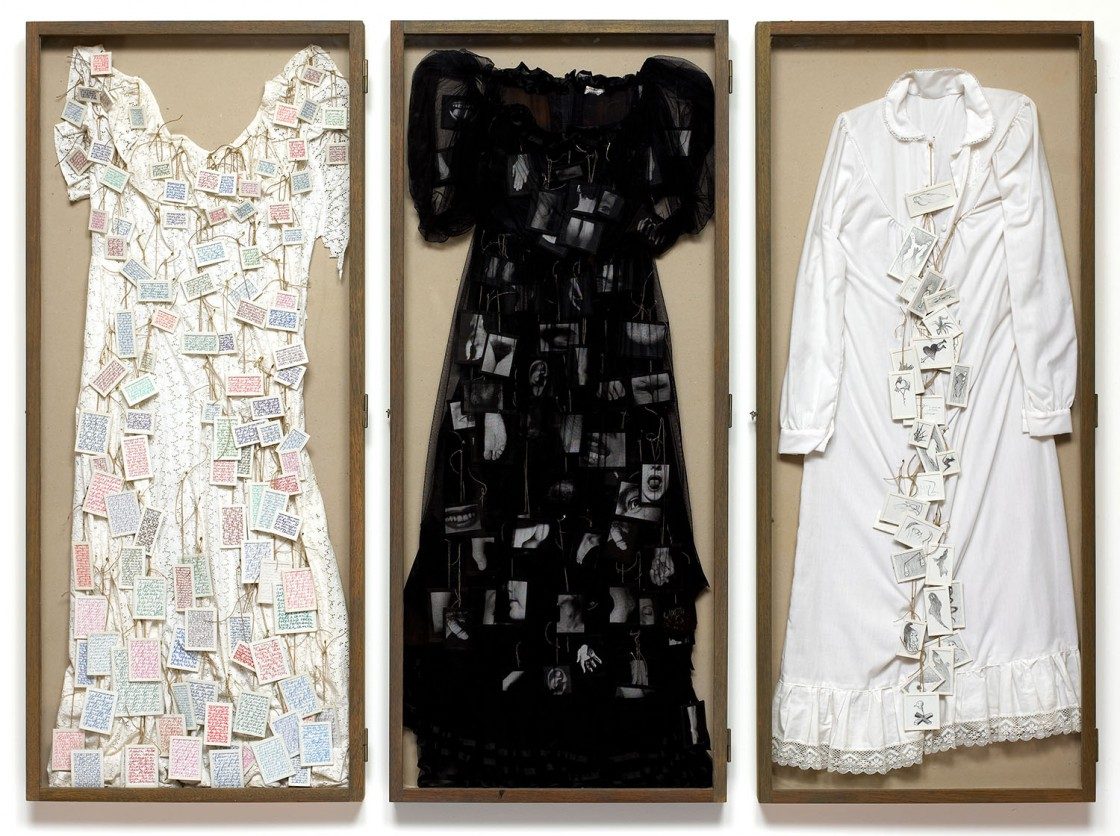
By contrast, Annette Messager’s History of Dresses suggests that clothing carries not only the memory of a body, but also the social roles attached to it. An empty dress never evokes only a person; it also summons narratives, conventions, and expectations. In this sense, clothing possesses a representational power that extends far beyond the individual who once wore it.
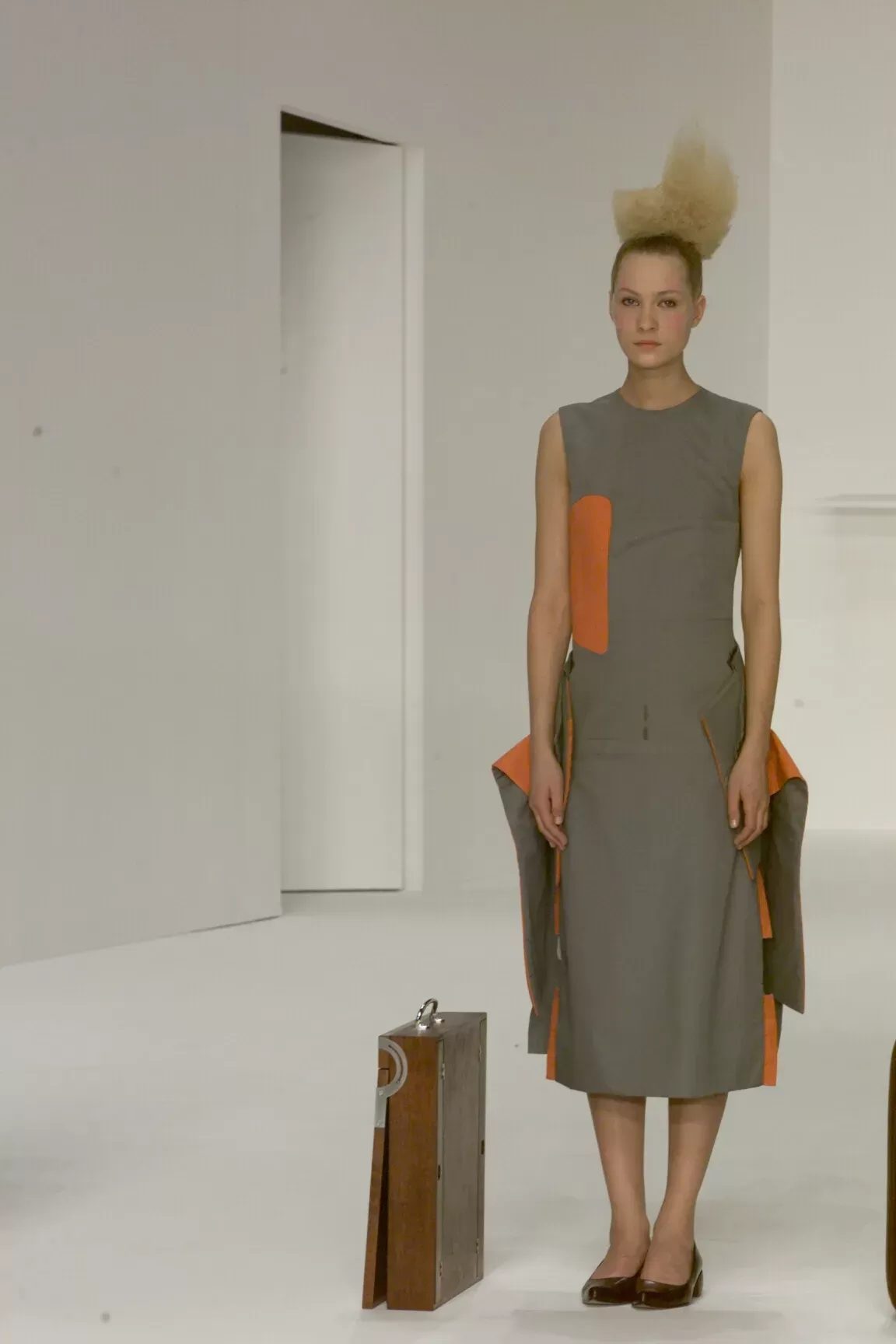
In After Words, Hussein Chalayan takes this idea a step further. Clothing is no longer the relic of a vanished body, but an object capable of carrying a story on its own. In the face of displacement or exile, it becomes portable architecture, a shelter, almost a form of dwelling. The body appears temporary, while the garment becomes the material vessel of memory.
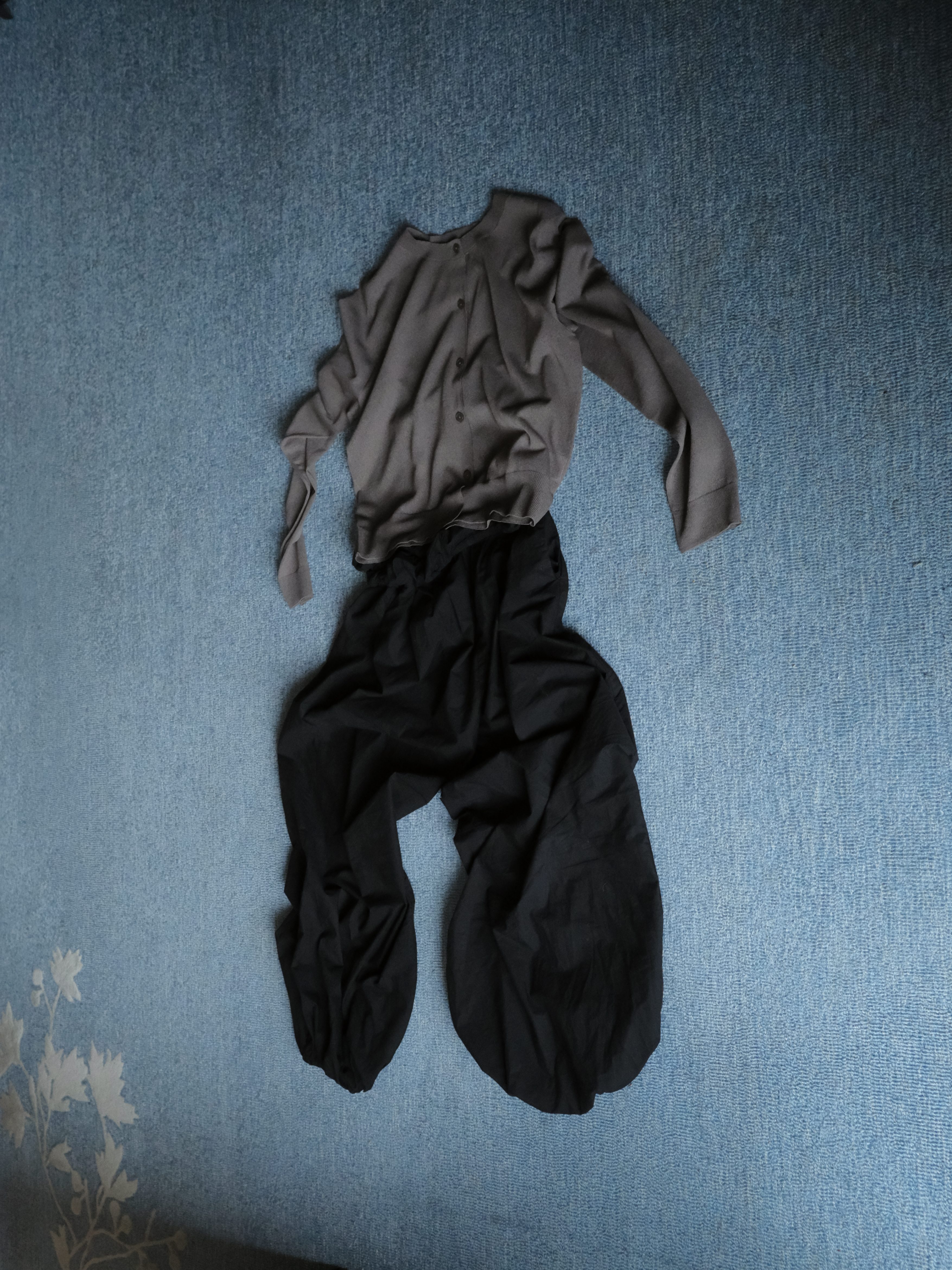
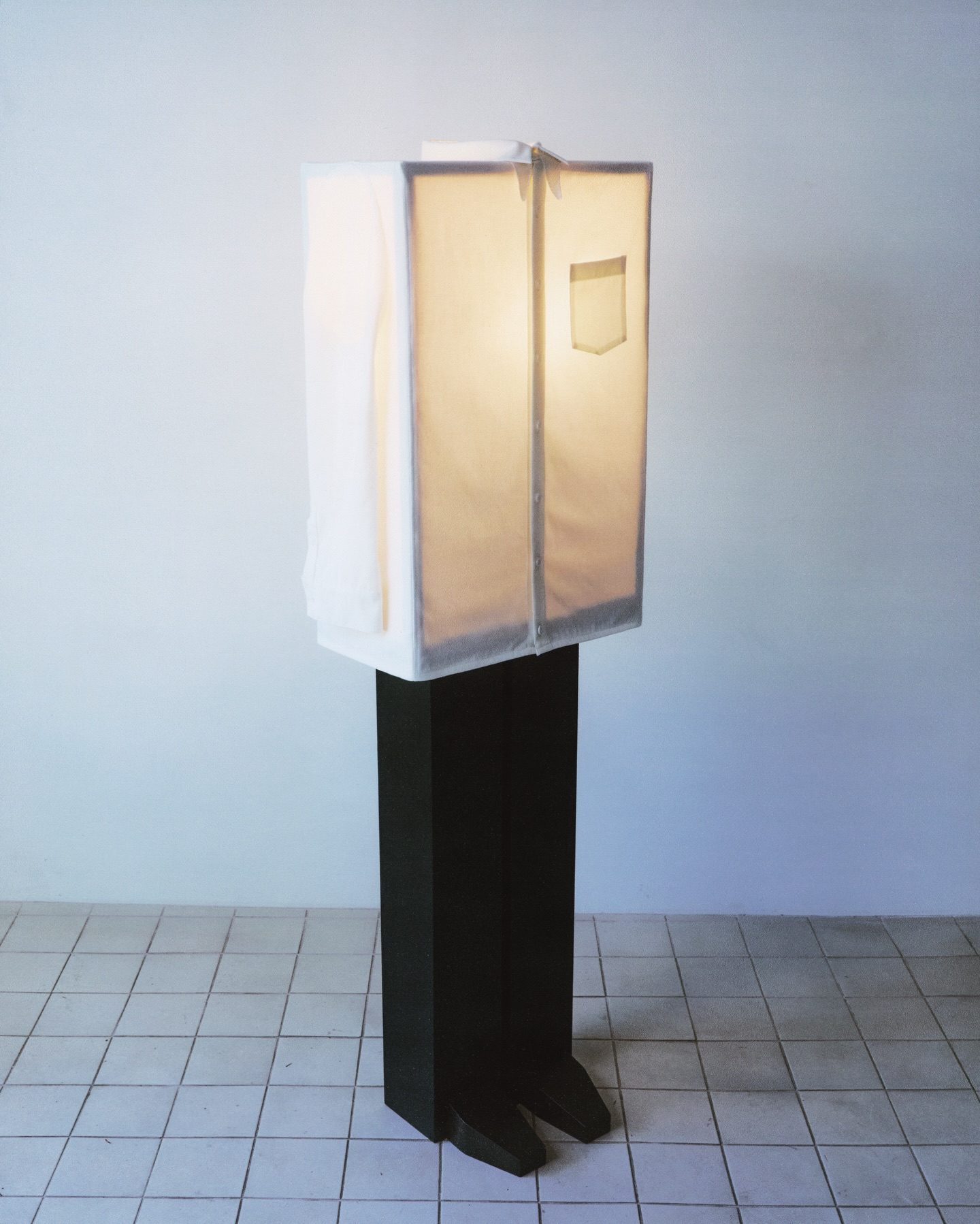
This autonomy is equally present in Katya Sikacheva’s Untitled, where garments appear to stand upright without anyone inside them. Their emptiness is not simply a lack; it generates an ambiguous presence, suspended between appearance and disappearance. By removing the body, these works reveal a rarely considered quality of clothing: it is one of the few everyday objects whose form is entirely defined by an absence. It is made to the scale of the human body, yet it is precisely when unoccupied that this scale becomes most visible. The empty garment therefore becomes less a reminder of a particular person than the materialisation of what is missing, transforming absence into a medium of creation.
After Words (001) - Hussein Chalayan.jpg
1 of 11
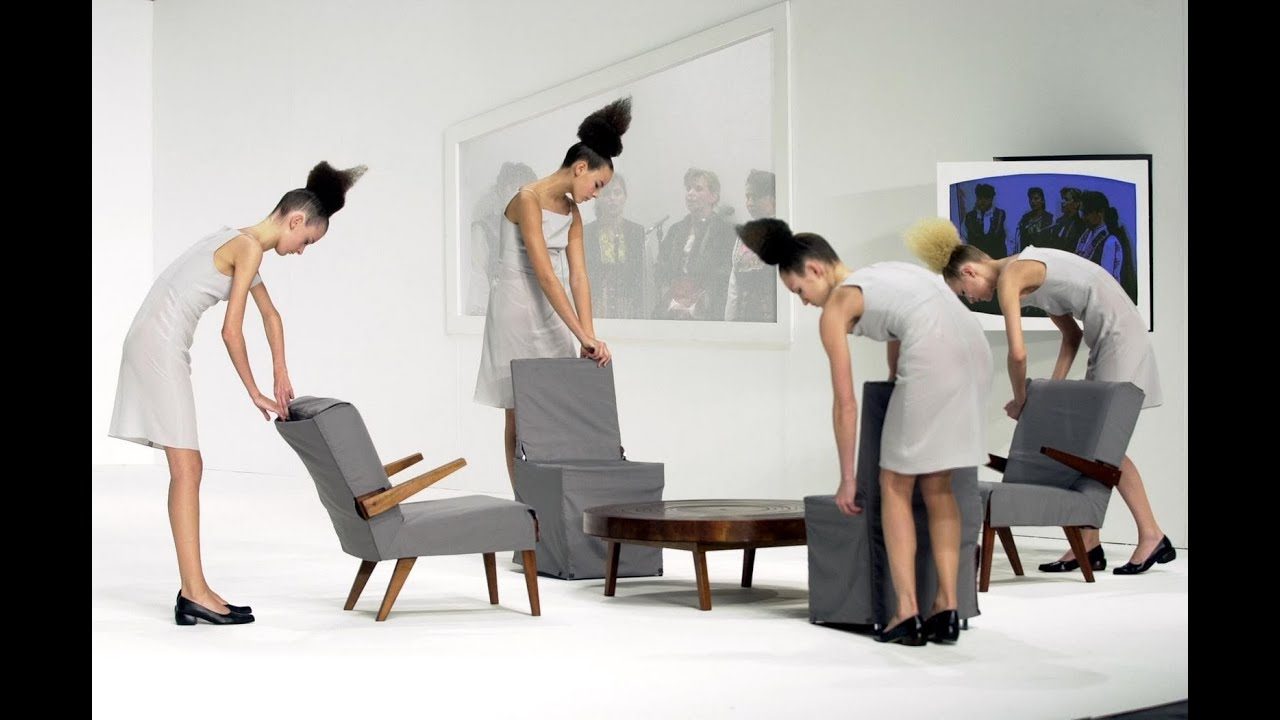
After Words (002) - Hussein Chalayan.webp
2 of 11
Atrabiliarios (001) - Doris Salcedo.jpg
3 of 11
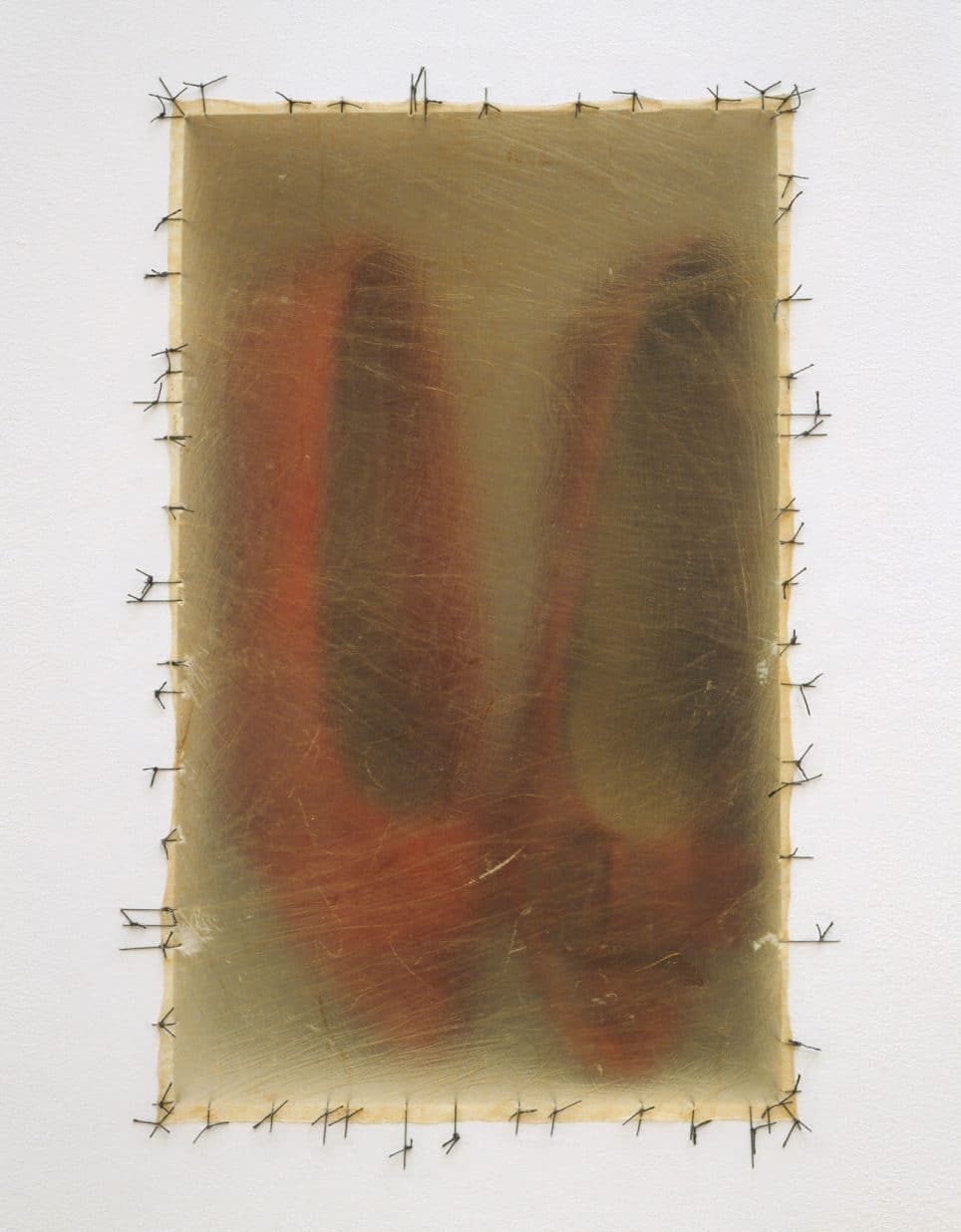
Atrabiliarios (002) - Doris Salcedo.jpg
4 of 11
Histoire des robes - Annette Messager.jpg
5 of 11
Inventaire des objets ayant appartenu à une femme de Bois-Colombes - Christian Boltanski.jpg
6 of 11
La petite robe noire - Dolores Marat.jpeg
7 of 11
No Man's Land - Christian Boltanski.jpg
8 of 11
Reserve - Christian Boltanski.jpg
9 of 11
Shirt Lamp (Male) - Shin Sozak.jpeg
10 of 11
Untitled - Katya Sikacheva.jpeg
11 of 11